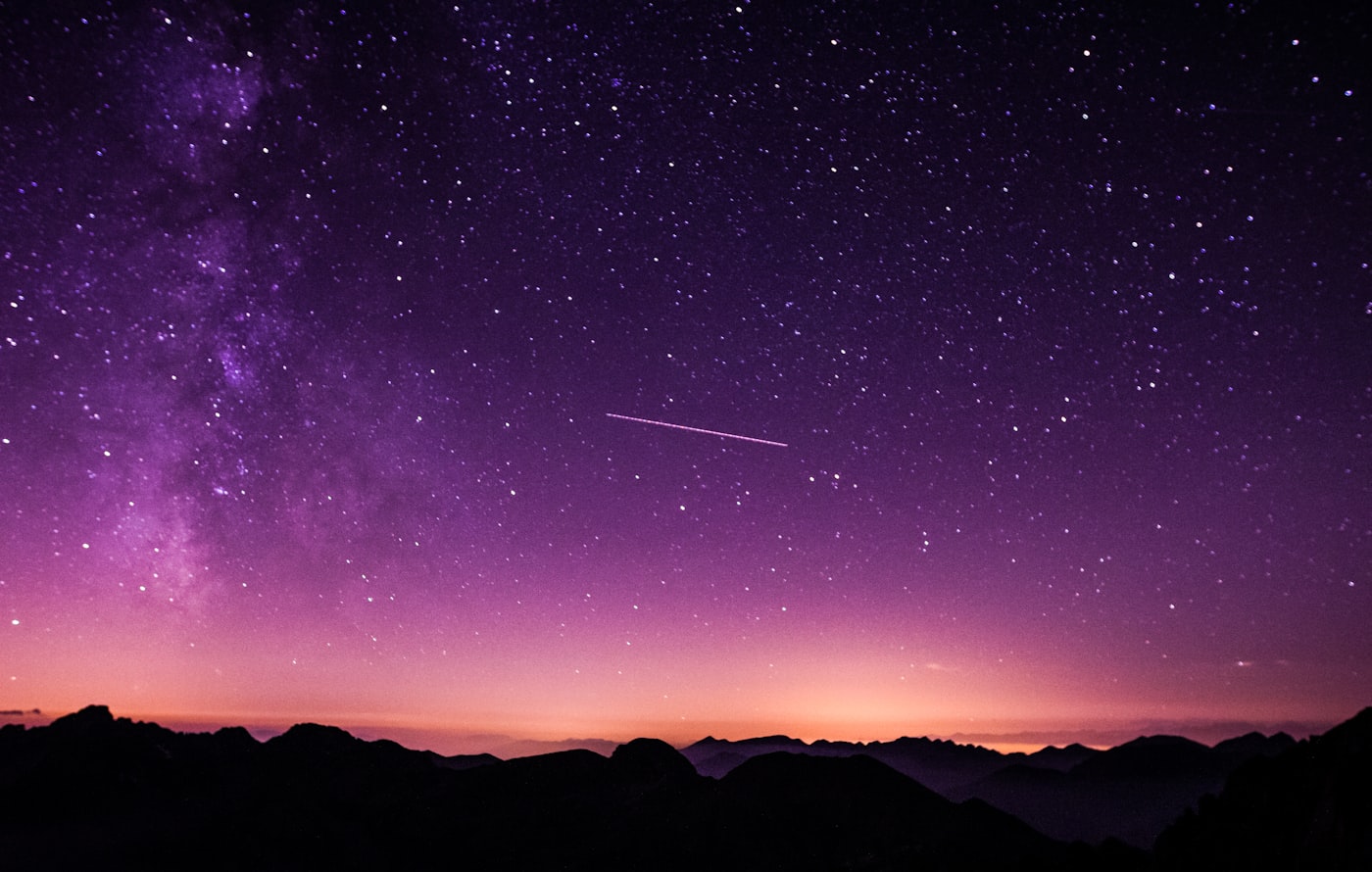
Deep-sky astrophotography is one of the most demanding hobbies on the planet. It requires precise tracking over hours, stable thermal conditions, robust electrical infrastructure, and the ability to leave your gear set up and aligned between sessions. A permanent backyard observatory isn't a luxury for serious imagers - it's a prerequisite.
The #1 Problem Astrophotographers Face: Setup Time
Ask any serious deep-sky imager what kills their productivity and they'll say the same thing: setup and teardown. Polar alignment alone can take 20–45 minutes if you're doing it properly with a quality equatorial mount. Add cool-down time for your optics, cable management, plate solving, and focus runs, and you've burned an hour before capturing a single photon.
A permanent observatory solves this entirely. Your mount lives on its pier, polar aligned, and stays there. Your imaging train - telescope, focuser, filter wheel, cameras - stays connected. When you're ready to image, you open the roof, fire up the software, and you're collecting data within minutes.
What Matters Most for an Astrophotography Observatory
1. A Permanent, Isolated Pier
The single most important feature for an astrophotography observatory is a permanent concrete pier for your mount. The pier should be isolated from the observatory floor - meaning it's poured separately and doesn't share a connection with the walls or foundation slab. This prevents vibrations from footsteps inside the observatory from transferring to the mount and ruining long exposures.
When we build a SkyShed for an astrophotographer, we always recommend a separate concrete pier poured before the observatory goes up. The pier can be as simple as a Sonotube form filled with concrete, extending below the frost line, with a standard adapter plate at the top.
2. Full Sky Access
This is why roll-off roofs outperform domes for astrophotography. When the roof is open, you can point anywhere - low on the eastern horizon for a rising target, high overhead for galaxies near the zenith, or anywhere across the meridian without fighting dome rotation sync. If you're imaging with an automated system running plate-solving and meridian flips unattended, a roll-off roof requires zero coordination with the roof.
3. Robust Electrical Infrastructure
A typical serious imaging rig draws substantial power: a high-quality equatorial mount (2–5A), a main imaging camera (2–4A for cooled sensors), a guide camera, a filter wheel, dew heaters on the primary and secondary, a dedicated astronomy computer, red lighting, and a router for remote operation. A 70-amp breaker box with multiple circuits - which we include in every SkyShed - handles this comfortably with room to grow.
If you're planning a particularly power-intensive setup - multiple imaging systems, a large aperture scope with heavy dew heaters - ask about our 100-amp upgrade.
4. Thermal Management
Thermal gradients inside an observatory cause air currents that degrade image sharpness. The best astrophotography observatories minimize heat buildup during the day and allow the interior to equilibrate quickly at night. A roll-off roof design with ventilation gaps does this naturally - once the roof opens, the interior thermalizes within 15–20 minutes in most conditions. Keep a small fan running during the day with vents cracked to prevent solar heat buildup.
5. A Comfortable Warm Room
Astrophotography sessions run long - often 4–6 hours of imaging time. Having a warm room with a chair, a monitor display, and a space heater on cold nights is what separates marathon imaging sessions from the ones where you give up at 1am because you're freezing. Every SkyShed includes a warm room partition as standard.
6. Internet Access
Remote operation is increasingly common for astrophotographers - controlling your entire setup from inside the house through software like Sequence Generator Pro, N.I.N.A., or Voyager. Run a dedicated network cable from your house to the observatory, or install a mesh wifi node. This allows you to run unattended all-night imaging sessions without being physically present in the observatory.
What Size Observatory Do You Need?
For astrophotography, the rule is: go bigger than you think you need. A single-scope imaging setup fits comfortably in a 10×10 or 10×12. If you're planning a dual-scope setup - an imaging scope and a dedicated guide scope on a second mount, or a visual scope alongside your imaging rig - a 10×14 or 12×12 gives you the working space you need. Our 12×14 is the choice for astronomers who want room to grow without limitations.
Wall height also matters. Our 7-foot sidewalls give clearance for virtually any telescope configuration, including large Newtonians on tall piers.
The Result
A properly set up astrophotography observatory lets you observe on more nights, for longer, with better data. The nights you'd previously skip because setup felt like too much work become easy sessions. The frustration of re-establishing polar alignment every time disappears. And the quality of your data improves because your equipment is thermal-stable, vibration-free, and precisely calibrated.
It's the single biggest upgrade most serious astrophotographers can make - bigger than a new camera or a larger aperture.
Configure Your Astrophotography Observatory
Tell us about your imaging setup and we'll help you choose the right SkyShed model and configuration.